

LESION PROCEDURES
Mole Removal in Vancouver
A mole, or nevus, is a usually benign collection of pigment-producing cells called melanocytes. Moles can occur anywhere on the face or body and may be present from childhood or appear later in life. Some people are comfortable with their moles or consider them beauty marks, while others have moles they would prefer to have removed, particularly when they are in a noticeable area.
For patients considering cosmetic mole removal, one of the most important things to understand is that removing a mole means replacing it with a scar. The goal is not to promise an invisible scar, but to plan the removal carefully so that the resulting scar can become as inconspicuous as possible as it matures.
When appropriate, incisions are placed within natural creases and along relaxed skin tension lines to help the scar blend with the surrounding skin.
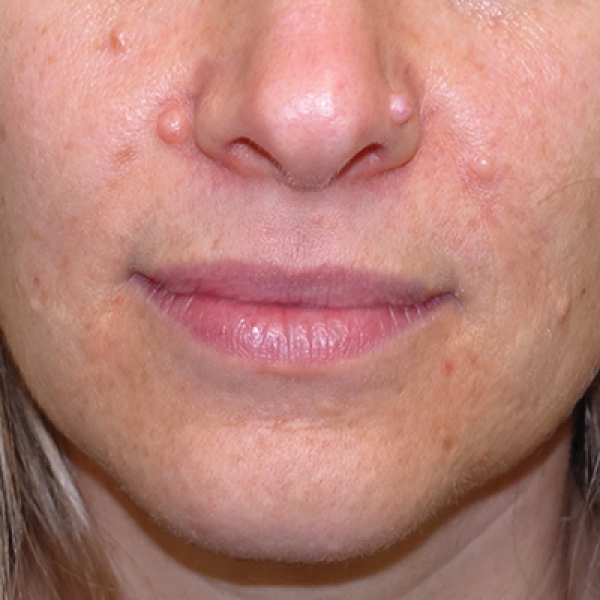
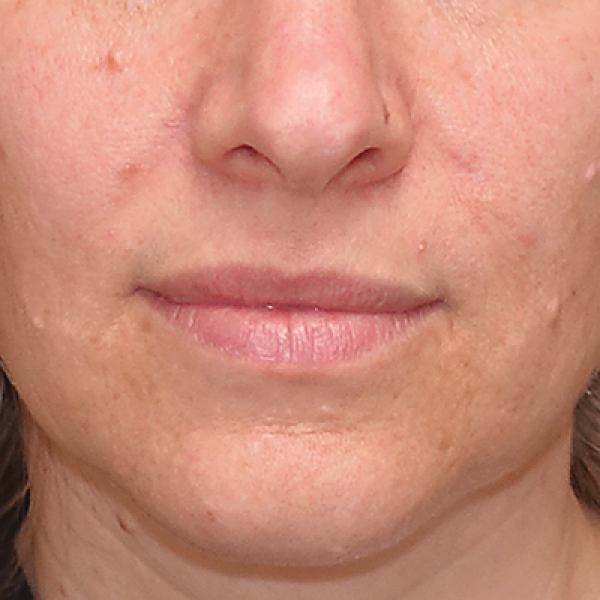
Procedure Overview
| Treatment setting | Private minor surgery procedure room |
| Anaesthetic | Local anaesthetic |
| Technique | Surgical excision with planned closure; Dr. Ho does not routinely perform shave excision |
| Return to work | Many patients can return to non-strenuous work and routine activities the same day if desired |
| Facial sutures | Generally removed at approximately 5 to 6 days |
| Body sutures | Often dissolving, depending on location and closure |
| Scar management | May include silicone tape or silicone gel once the incision has healed sufficiently |
| Cost | Approximately CAD $700 to $1,500, depending on the number, size, location and surgical plan. These are starting prices and costs could vary depending on the complexity of each patient’s case. A formal quote will be provided to you at your consultation. |
Facial and Body Mole Removal
Moles may be removed from the face or body when they are clinically appropriate for cosmetic excision. The size, shape and location of the mole, the surrounding skin and the expected scar all influence the surgical plan.
For some patients the mole itself is more noticeable or bothersome than the scar they expect after removal. For others, leaving the mole alone may be the better choice. Consultation is an opportunity to understand that trade-off before deciding whether to proceed.
When Should a Mole Be Assessed Before Cosmetic Removal?
Most moles are benign, but changes in a mole should not simply be treated as a cosmetic concern.
Features that warrant more urgent assessment include increasing size, a change in colour, bleeding, pain or another suspicious change. If you notice any of these features, you should see your family physician or dermatologist for assessment before considering cosmetic removal.
Is Mole Removal Right for You?
Cosmetic mole removal is most appropriate when the lesion is stable and benign-appearing and when you understand that removal replaces the mole with a permanent scar. Some lesions should be medically assessed before elective cosmetic treatment.
| Mole removal may be appropriate when | Medical assessment or a different plan may be more appropriate when |
|---|---|
| A stable, benign-appearing mole is cosmetically bothersome or repeatedly irritated. | The mole is new or changing in size, shape, colour or texture, or looks different from your other moles. |
| You understand that removal trades the mole for a permanent linear scar that is usually slightly longer than the mole. | There is unexplained bleeding, persistent pain, ulceration or another feature that needs medical assessment first. |
| You have realistic expectations about early redness, pigmentation or firmness while the scar matures. | You are expecting scar-free removal or need the scar to be inconspicuous immediately for an important event. |
| You can follow wound-care instructions and attend suture removal or scar follow-up when needed. | A very large mole may require staged treatment or a different surgical plan rather than a simple one-stage office excision. |
The final decision depends on the mole’s history, appearance, size and location, the surrounding skin and the scar that would be required for removal.
How Is Mole Removal Performed?
Facial and body mole removal is performed under local anaesthetic in a private minor surgery procedure room. Once the area is numb, the mole is surgically removed and the incision is carefully closed.
The surgical plan depends on the size, location and shape of the mole, as well as the surrounding skin. Where possible, the incision is positioned within a natural crease or relaxed skin tension line to help the resulting scar become as inconspicuous as possible over time.
Multiple moles can often be removed during the same appointment when appropriate.
Surgical Excision of a Mole
Dr. Ho removes moles using surgical excision rather than shave excision. Surgical excision removes the mole through an incision and allows the skin edges to be carefully brought together with sutures.
This approach allows the visible mole to be removed while the resulting scar is deliberately planned and closed. Depending on the appearance of the mole and the clinical circumstances, removed tissue may also be sent for pathology.
Why Dr. Ho Does Not Use Shave Excision
Shave excision removes the raised portion of a mole without removing the full depth of the lesion.
Dr. Ho does not routinely use shave excision for cosmetic mole removal because there is a greater possibility of the mole recurring and the resulting scar can sometimes develop a depressed or irregular contour.
For patients seeking cosmetic mole removal, Dr. Ho prefers surgical excision so that the mole and the resulting scar can be managed in a more controlled way.
Facial Mole Removal
Moles on the face are often particularly noticeable, which is why patients commonly ask about removing moles from the cheek, chin, forehead or other visible areas.
With facial mole removal, the location and direction of the final scar are an important part of surgical planning. Where possible, the incision is positioned within a natural crease or relaxed skin tension line to help it blend with the surrounding skin as it matures.
The size and location of the mole, surrounding skin and expected scar are reviewed with you before surgery so that you understand the trade-off involved in removing it.
Removing Larger Moles
Very large moles may require a longer incision if they are removed completely in one procedure.
In selected cases, a staged procedure may be recommended. Removing the mole over more than one operation can reduce the amount of skin removed at one time, decrease tension on the incision and help limit the final scar length.
The appropriate approach depends on the size and location of the mole.
What Will the Scar Look Like After Mole Removal?
An important consideration with mole removal is that you are trading the mole for a straight-line scar that will usually be slightly longer than the original mole.
Early in healing, the scar can be quite noticeable. It may be red or more pigmented than the surrounding skin and may initially feel firm or bumpy. Over time, the scar generally softens and fades as it matures, with improvement continuing throughout the first year.
Scar management is reviewed during follow-up and may include silicone tape or silicone gel once the incision has healed sufficiently. Makeup can usually be worn approximately two weeks after the procedure to help conceal a facial scar while it continues to mature.
For a more detailed explanation of scar length, incision placement, facial mole removal scars and how scars change over the first year, read Mole Removal Scars: What to Expect After Facial and Body Mole Removal
Mole Removal Recovery and Aftercare
Most patients recover well during the first day after mole removal and can return to work and regular activities that day if they wish, provided the activity does not place unnecessary tension on the incision.
You can shower the day after the procedure and it is okay to get the incision wet.
For moles removed from the face, sutures are generally removed approximately five to six days after the procedure. Sutures used on the body often do not need to be removed and dissolve over time.
Your follow-up visits are also an opportunity to review healing and the scar-management measures that are appropriate for you.
Risks and Safety Considerations
Mole removal is a minor surgical procedure, but every excision creates a permanent scar and healing varies between patients and treatment areas.
- Possible wound-healing risks include bleeding, infection, delayed healing or wound separation.
- Scar-related issues can include persistent redness or pigmentation, firmness, widening or raised scarring, contour change or an unfavourable scar.
- Changes in sensation can occur around an incision, and any lesion that later regrows or develops a new concerning change should be medically reassessed.
The specific risks that matter most depend on the mole, its location, the planned closure and your individual healing. These considerations are reviewed before surgery.
Mole Removal Before and After Photos
Before-and-after photographs can be helpful when deciding whether mole removal is right for you, particularly when the mole is located on the face and the appearance of the resulting scar is an important concern.
You can view examples of patients treated by Dr. Ho in the Lesion Removal Before & After Gallery.
Every mole, location and scar heals differently, so photographs are useful for understanding the range of possible outcomes rather than predicting an exact result.
Mole Removal Cost in Vancouver
Cosmetic mole removal typically costs approximately CAD $700 to $1,500, depending on factors such as the number of moles being removed, their size and location and the complexity of the surgical plan. These are starting prices and costs could vary depending on the complexity of each patient’s case. A formal quote will be provided to you at your consultation.
Multiple moles can often be removed during the same appointment when appropriate. A specific treatment plan and fee are provided after Dr. Ho has assessed the mole or moles being considered for removal.
Mole Removal with Dr. Adelyn Ho
Dr. Adelyn Ho, MD, MPH, FRCSC is a plastic and reconstructive surgeon practising in Vancouver. Her approach to cosmetic mole removal includes careful incision planning, an honest discussion about the expected scar and follow-up as the area heals.
The decision to remove a mole is individual. Consultation is an opportunity to look at the mole together, discuss what removal would involve and decide whether the trade-off between the mole and the resulting scar makes sense for you.
Frequently Asked Questions About Mole Removal
Does mole removal leave a scar?
Yes. Surgical mole removal replaces the mole with a scar. The scar is often slightly longer than the original mole and is usually more noticeable early in healing before gradually softening and fading over time.
Can a mole on my face be removed?
Facial moles can often be removed when they are appropriate for cosmetic excision. The size and location of the mole and the position of the resulting scar are important considerations when planning facial mole removal.
Does mole removal hurt?
The procedure is performed under local anaesthetic. The treatment area is numbed before the mole is removed.
Why does Dr. Ho use surgical excision rather than shave excision?
Dr. Ho does not routinely use shave excision because there is a greater possibility of the mole recurring and the resulting scar can sometimes develop a depressed or irregular contour. She prefers surgical excision so that the mole and the resulting scar can be managed in a more controlled way.
Are removed moles sent for pathology?
Not every cosmetic mole is automatically sent for pathology. Depending on the appearance of the mole and the clinical circumstances, removed tissue may be sent for pathology.
Can several moles be removed at the same appointment?
Yes. Multiple moles can often be removed during the same appointment when appropriate. The treatment plan depends on the number, size and location of the moles.
How long does it take to recover after mole removal?
Most patients recover well over the first day and can return to work and regular non-strenuous activities that day if desired. The incision continues to heal and the scar continues to mature for much longer.
When are stitches removed after facial mole removal?
Facial sutures are generally removed approximately five to six days after the procedure. Sutures used on the body often dissolve and may not need to be removed.
What if my mole is changing?
If a mole is increasing in size, changing colour, bleeding, painful or otherwise changing in a concerning way, it should be assessed by your family physician or dermatologist rather than treated simply as a cosmetic mole.
Considering Mole Removal in Vancouver?
If you are considering facial or body mole removal in Vancouver, Dr. Ho can assess the mole, discuss the expected scar and review whether surgical removal is appropriate for you.
Prefer to contact us directly?
604-806-3650 | info@dradelynho.com
Medically reviewed by Dr. Adelyn Ho, MD, MPH, FRCSC | Plastic and Reconstructive Surgeon | Last reviewed: August 2026
