
BREAST PROCEDURES

Inverted Nipple Correction in Vancouver

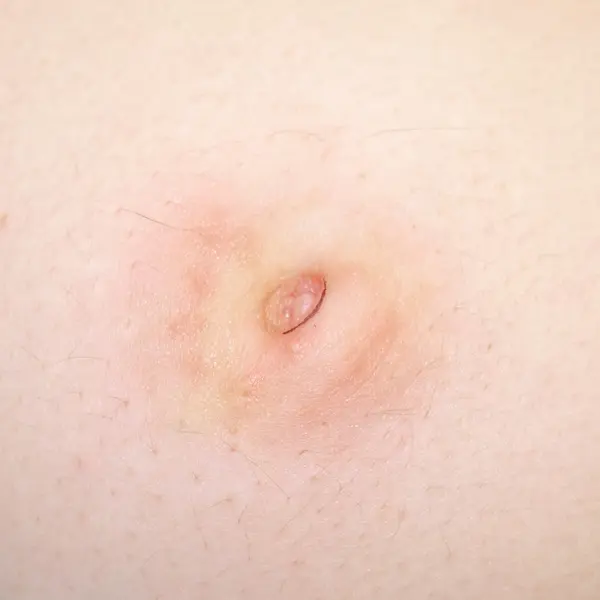
An inverted nipple turns inward or sits below the surface of the areola instead of projecting outward. Some nipples have been inverted for as long as a person can remember, while others become retracted later because of scarring, inflammation, previous breast surgery or another breast condition.

For patients with nipple inversion who are considering surgical correction, the goal is to release the tissues pulling the nipple inward and create a more stable outward projection. The surgical plan depends on your anatomy, whether one or both nipples are affected, the severity of the tethering and how important future breastfeeding is to you. A nipple that has recently become inverted or is changing, especially on one side or with a breast lump, nipple discharge or skin change, should be medically evaluated before cosmetic surgery is considered.
Procedure Overview

Treatment settingOutpatient surgical procedure.
AnaestheticLocal anesthetic when performed as a standalone procedure.
Procedure timeApproximately 1 hour.
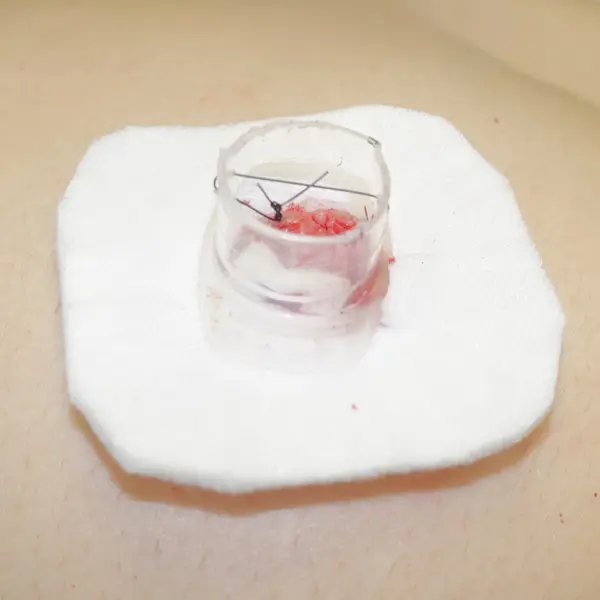
Initial recoveryMild swelling, tenderness or sensitivity are common. A plastic stent keeps the nipple everted for 2 weeks; a supporting mattress suture at the nipple base remains for 6 weeks.
Return to workMany patients can return to non-strenuous work within a few days if they can protect the nipple and stent.
ExercisePlan on 2 weeks off exercise and avoid direct pressure, friction and tension on the nipple during this period.
ScarringA small permanent scar is placed at the nipple-areola junction.
CostCAD $1,500 for one side and CAD $2,800 for both sides. Beautifi financing may be available for eligible procedures/packages of $1,000 and above.

What Is an Inverted Nipple?

An inverted nipple is pulled inward rather than projecting above the areola. Inversion can affect one nipple or both and can range from a nipple that can be drawn outward temporarily to a nipple that remains tightly tethered beneath the surface. Patients often use the terms inverted nipple, nipple inversion, retracted nipple and inward nipple. These terms overlap in everyday language, but they are not always clinically interchangeable. Longstanding nipple inversion is different from a nipple that has newly retracted after previously projecting normally. The distinction matters because stable nipple inversion may be an anatomic variant, while a new breast or nipple change may need medical assessment before any cosmetic treatment is planned.

When Does a New or Changing Inverted Nipple Need Medical Evaluation?

A newly inverted or retracted nipple should not automatically be assumed to be a cosmetic issue. Arrange medical assessment if the change is new, persistent or progressive, particularly if it affects one breast or occurs with a new lump, nipple discharge, skin dimpling, redness, scaling or other breast symptoms. Most breast changes are not cancer, but the safest first step is to understand why the nipple has changed. Cosmetic correction should come only after any concerning underlying cause has been appropriately evaluated.

Is Inverted Nipple Correction Right for You?

You may be a reasonable candidate ifAnother approach or medical evaluation may be more appropriate if
Your nipple inversion is longstanding and stable.The nipple became inverted recently or is continuing to change.
One or both nipples remain retracted or do not maintain projection.You have a new breast lump, nipple discharge, skin change or other concerning symptom.
You would like to improve nipple projection or symmetry.You are pregnant, breastfeeding or your breasts are still changing.
You are in good general health and can follow postoperative restrictions.You cannot stop nicotine before and after surgery if Dr. Ho advises that it is required.
You have discussed future breastfeeding priorities.Preserving every possible chance of future breastfeeding is your highest priority and the proposed technique may affect the milk ducts.
You understand that scars, sensation change and recurrence are possible.You are not comfortable with those trade-offs.

During consultation, Dr. Ho will review when the inversion began, whether one or both nipples are affected, how easily the nipple can be everted, previous breast surgery or scarring, other breast symptoms and your priorities for future breastfeeding.

How Is Inverted Nipple Surgery Planned?

How Severe Is the Inversion?

The amount of tethering beneath the nipple helps determine how much release and internal support may be required. A nipple that can be drawn outward and maintain projection is different from one that remains firmly inverted.

One Nipple or Both?

Correction can be performed on one side when the concern is asymmetry or on both sides when inversion is bilateral. Each nipple is assessed separately because the degree of tethering may not be identical.

Breastfeeding and Milk Ducts

Future breastfeeding should be discussed before surgery. During Dr. Ho’s correction, the tissues and milk ducts beneath the nipple are released under loupe magnification. She stretches and releases the ducts first and divides selected ducts only when necessary to achieve adequate nipple release, with the goal of preserving as many ducts as possible. Because duct division may still be required, future breastfeeding cannot be guaranteed.

Standalone or Combined Breast Surgery

Inverted nipple correction may be performed on its own or considered at the same time as another breast procedure when appropriate. If you are also considering breast augmentation, breast lift, breast reduction, nipple reduction or another breast operation, the procedures should be planned together so the incisions, recovery and goals are coordinated.

How Is Inverted Nipple Correction Performed?

When inverted nipple correction is performed on its own, Dr. Ho uses local anesthetic. Once the nipple is fully numb, a small incision is made with a scalpel at the junction of the nipple and areola. Using loupe magnification, Dr. Ho carefully dissects beneath the nipple to identify the tethering tissues and milk ducts. The ducts are stretched and released first, and selected ducts are divided only when necessary. The nipple is reassessed as the release progresses so that as many ducts as possible can be spared. Magnification also helps Dr. Ho visualize and protect the small blood vessels supplying the nipple. A deep suture is used to close the dead space and bring the tissues together, and the skin incision is closed with absorbable sutures. A temporary suture is then passed through the top of the nipple and secured to a plastic stent to hold the nipple in an outward-projecting position while it heals. The stent remains in place for two weeks. A separate mattress suture at the base of the nipple remains in place for six weeks to provide longer-term support.

Inverted Nipple Surgery Recovery and Scars

Mild swelling, bruising, tenderness, increased sensitivity or numbness can occur during the first several days. The plastic stent remains in place for two weeks, and the supporting mattress suture at the base of the nipple remains for six weeks.

Many patients can return to non-strenuous work within a few days if they can protect the nipple and stent. Plan on taking two weeks off exercise and avoid direct pressure, friction or tension on the nipple during this period. After the two-week review and stent removal, activity can be increased gradually if healing is satisfactory.

The scar is permanent, although it usually changes substantially as it matures. Dr. Ho places the incision at the junction of the nipple and areola, where the transition between the two tissues helps make the scar less conspicuous. No scar can be promised to become invisible.

Improved nipple projection is visible early, but swelling and tissue healing can change the appearance over the following weeks and months. Some loss of projection or recurrent inversion is possible.

Risks, Sensation, Breastfeeding and Recurrence

Inverted nipple correction is a focused surgical procedure, but it still has meaningful trade-offs. Potential risks include bleeding, infection, delayed wound healing, unfavorable scarring, asymmetry, contour irregularity and the possibility of revision surgery.

Nipple sensation may be temporarily increased, decreased or altered during healing. Permanent sensory change can occur. Blood supply to the nipple is also an important surgical consideration, and tissue-healing problems are possible, although uncommon.

The operation may affect future breastfeeding because some milk ducts may need to be divided to obtain an adequate release. Dr. Ho preserves ducts as much as possible by stretching and releasing them first and dividing only what is necessary. Recurrence is also possible because internal scar tissue and tension can pull the nipple inward again. The goal is to improve projection, not to promise permanent correction in every patient.

Dr. Ho will review the risks that are most relevant to your anatomy, health and treatment plan before you decide whether surgery is right for you.

Cost and Financing

The current private fee for inverted nipple correction is CAD $1,500 for one side and CAD $2,800 for both sides. A personalized quote will confirm the fee for your treatment plan after assessment.

Dr. Ho’s practice offers Beautifi financing for procedures and packages of $1,000 and above. Financing is optional and subject to Beautifi’s eligibility and lending terms.

Why Choose Dr. Adelyn Ho?

Dr. Adelyn Ho is a plastic and reconstructive surgeon in Vancouver and a Fellow of the Royal College of Physicians and Surgeons of Canada. Her training includes a focused interest in breast surgery and an additional microsurgery fellowship at the University of Southern California.

For nipple surgery, small anatomic differences matter. The consultation is used to understand whether the inversion is longstanding or new, assess one or both nipples, discuss scars and recurrence, and plan around sensation and future breastfeeding priorities. The objective is an individualized surgical plan with clear discussion of what can and cannot be predicted.

Frequently Asked Questions About Inverted Nipple Surgery

Nipple inversion may be longstanding from breast development or may occur later because of scarring, inflammation, previous surgery, trauma or another breast condition. A newly inverted nipple deserves medical assessment before cosmetic correction is planned.

Persistent inverted nipples can often be surgically corrected by releasing the tissues that hold the nipple inward and supporting outward projection. The appropriate technique depends on your anatomy and priorities.

Some people have longstanding one-sided asymmetry. A nipple that has always been inverted and remained stable is different from a nipple that recently changed. New unilateral retraction should be medically evaluated.

It can. Dr. Ho stretches and releases the milk ducts first and divides selected ducts only when necessary, with the goal of preserving as many ducts as possible. Because some ducts may still need to be divided, future breastfeeding cannot be guaranteed. Let Dr. Ho know if future breastfeeding is important to you before surgery.

Temporary sensory change is possible during healing. Permanent numbness, increased sensitivity or other sensation changes can occur.

Yes. Partial or complete recurrence is possible. The likelihood depends on the severity of the inversion, surgical technique and individual healing.

A small permanent scar is usually placed at or near the base of the nipple. Scar length and position depend on the selected technique, and the scar continues to mature over time.

Many patients return to non-strenuous work within a few days if they can protect the nipple and stent. Plan on two weeks off exercise and avoid direct pressure on the nipple during this period. The plastic stent is removed at two weeks, while the supporting mattress suture at the nipple base remains for six weeks.

Yes, when appropriate. Inverted nipple correction may be planned with breast augmentation, breast lift, breast reduction, nipple reduction or another breast procedure so the overall surgical plan is coordinated.

The current private fee is CAD $1,500 for one side and CAD $2,800 for both sides. Your consultation will confirm the final fee for your treatment plan.

Considering Inverted Nipple Surgery in Vancouver?

If you have longstanding nipple inversion and are considering correction, consultation can help clarify the cause, whether surgery is appropriate, what scar and recovery to expect, and how the plan may affect sensation or future breastfeeding.

If the nipple has newly inverted or is changing, medical assessment comes first. If the inversion is stable and cosmetic correction is appropriate, Dr. Ho can develop a plan based on your anatomy and goals.

Prefer to contact us directly?
604-806-3650 | info@dradelynho.com

Medically reviewed by Dr. Adelyn Ho, MD, MPH, FRCSC | Plastic and Reconstructive Surgeon | Last reviewed: August 2026