

BREAST PROCEDURES

Nipple Reduction in Vancouver

Nipples vary naturally in height, width, shape and projection. Some people have nipples that have always been long, broad or prominent, while others notice changes after pregnancy, breastfeeding, aging or changes in the breast over time. Nipple reduction is different from areola reduction. The nipple is the central projecting tissue. The areola is the pigmented skin around it. Sometimes both areas need to be addressed, but they are not the same procedure.

Nipple reduction is a surgical procedure that makes the projecting nipple smaller. Depending on your anatomy and goals, the plan may reduce nipple height or projection, reduce its width, debulk thickened tissue, improve asymmetry, or address more than one of these concerns. The most important part of planning is deciding what actually needs to change. A nipple that is long requires a different discussion from a nipple that is broad or thick. I spend time marking the nipple carefully before surgery so that the amount and direction of reduction are planned around the breast and areola rather than using one standard size for everyone.
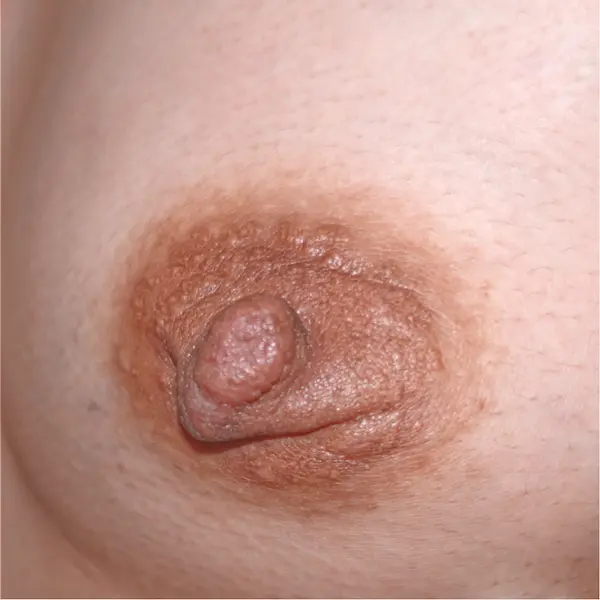
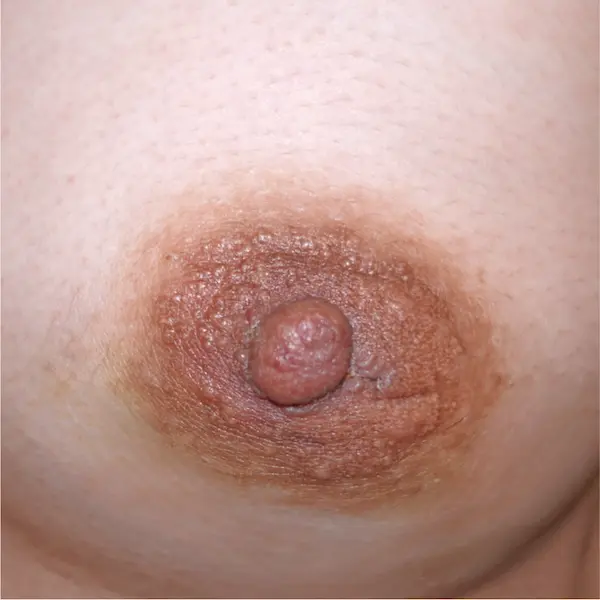
What Is Nipple Reduction?

Nipple reduction reduces the size of the projecting nipple rather than the size of the entire breast. Patients may be concerned mainly about nipple height, also described as projection, or about the diameter and width of the nipple. Some nipples are also thick or hypertrophied, meaning there is additional tissue volume that contributes to their size.One nipple can be treated when asymmetry is the main concern, or both nipples can be reduced when the goal is to change overall proportion. Nipple reduction may also be combined with another breast procedure when the nipple concern is only one part of the surgical plan.

Nipple Reduction vs Areola Reduction

The nipple and areola are often discussed together, but they are different structures and the operations are different. Nipple reduction changes the projecting central nipple. Areola reduction changes the diameter or contour of the pigmented skin surrounding the nipple. If the main concern is a wide areola, nipple reduction alone will not correct that. Occasionally, there is a small amount of redundant areolar skin at the nipple-areola junction that can be addressed as part of the nipple-reduction plan. A formal areola reduction is a separate procedure with a different scar pattern and should be discussed separately when it is needed.

Is Nipple Reduction Right for You?

Nipple reduction may be appropriate when the concern is the size, projection, width or asymmetry of the nipple and when you understand the trade-offs of surgery, including a permanent scar and possible changes in sensation or breastfeeding.

Nipple reduction may be appropriate whenA different assessment or procedure may be more appropriate when
One or both nipples are long, prominent, broad or thick and you want them smaller.The main concern is the diameter of the areola rather than the projecting nipple.
There is a meaningful difference in nipple size, shape or projection between sides.The nipple is inverted or retracted rather than enlarged.
Nipple prominence causes irritation, friction or a cosmetic concern under clothing.There is a new nipple change, discharge, bleeding, persistent rash, skin change, lump or new retraction that should be medically assessed first.
You understand that some natural asymmetry may remain after surgery.You are pregnant, actively breastfeeding or your breasts are still changing in a way that may affect timing.
You can accept a permanent scar and the possibility of temporary or permanent sensory change.Preserving the greatest possible chance of future breastfeeding is an overriding priority and you are not comfortable with any surgical uncertainty around milk ducts or sensation.

How I Plan Nipple Reduction

There is no single ideal nipple measurement. The plan is based on your existing nipple dimensions, the relationship between the nipple and areola, symmetry between sides and how much change you actually want.

Reducing nipple height or projection

When the nipple is mainly long or projects farther than you would like, the plan focuses on reducing its height while keeping the remaining nipple proportionate to the areola and breast.

Reducing nipple width or thickened tissue

When the nipple is broad or thick, reducing height alone may not solve the concern. I assess the width and the amount of underlying tissue. If the nipple is hypertrophied or particularly thick, excess tissue can be carefully debulked as part of the reduction.

One nipple or both

A unilateral nipple reduction can be used when one side is noticeably larger or more prominent. When both sides are treated, each nipple is still marked individually because pre-existing differences in size, shape and tissue thickness are common.

When areolar redundancy is part of the plan

Sometimes there is a small amount of redundant areolar skin at the base of the nipple. If that redundancy affects the final contour, a small amount may be reduced at the same time. This is not the same as a formal areola reduction, which is planned around the diameter of the areola itself.

How Is Nipple Reduction Performed?

Nipple reduction is performed under local anesthetic when it is done on its own. The surgical details depend on whether the goal is to reduce height, width, thickness or a combination of these.

Detailed markings

Before the local anesthetic is injected, I spend time marking the nipple carefully. We have already discussed whether the goal is to reduce nipple height, width or both, and the markings translate that plan to the individual nipple.

Local anesthetic and tissue reduction

Once the area is numb, excess nipple skin is carefully excised. If the nipple tissue is thick or hypertrophied, excess tissue can also be debulked. When there is redundant areolar skin that affects the contour at the base of the nipple, a small amount may be reduced as part of the plan.

Absorbable sutures and closure

The remaining nipple is brought back to the nipple-areola junction and the skin is closed with absorbable sutures. The goal is to create the planned reduction while maintaining a balanced contour and allowing the incision to heal in a controlled way.

Ointment is placed over the incision during recovery and is continued daily for two weeks unless your individual postoperative instructions are different.

Nipple Reduction Recovery and Aftercare

Early swelling, tenderness, bruising or altered sensitivity can occur after nipple reduction. The reduction itself is visible early, but swelling can temporarily affect shape and symmetry, so the first few days are not the time to judge the final result. Ointment is applied over the incision daily for two weeks. During the same two-week period, avoid strenuous exercise and activities that place direct pressure, rubbing or friction on the nipples. This gives the incision and reshaped tissue time to heal without unnecessary stress. Your follow-up visits are used to assess healing, answer questions and guide return to normal activity. If nipple reduction is combined with a larger breast operation, the recovery plan will follow the more extensive procedure.

Scars, Sensation and Breastfeeding

Nipple reduction creates permanent scars on or around the nipple. Their exact location depends on the dimensions being reduced and the surgical plan. Scars are usually more noticeable early in healing and then mature over time, but no nipple-reduction operation should be described as scarless.

Temporary changes in nipple sensitivity, numbness or increased sensitivity can occur as the tissues heal. Permanent sensory change is also possible. The risk is part of the preoperative discussion because the nipple contains small nerves and blood vessels that are important to sensation and tissue healing.

Breastfeeding after nipple surgery cannot be guaranteed. The effect depends on the amount and location of tissue removed and whether milk ducts are altered. If future breastfeeding is important to you, tell me before surgery so that this can be part of the treatment discussion. Even with careful planning, there is uncertainty and some patients may have reduced milk production after breast or nipple surgery.

Risks and Safety Considerations

Nipple reduction is a focused surgical procedure, but it still carries surgical and functional risks. The risks that matter most depend on your nipple anatomy, the amount of reduction and your individual healing.

  • Bleeding, infection, delayed wound healing or wound separation.
  • Permanent scarring, pigment change or an unfavourable scar.
  • Residual asymmetry, contour irregularity or a nipple shape that differs from what was planned as healing settles.
  • Temporary or permanent changes in nipple sensation.
  • Possible effect on breastfeeding depending on tissue and duct involvement.
  • Rare partial tissue loss if blood supply to the nipple is compromised.
  • Need for revision surgery in selected cases.

These considerations are reviewed with you before surgery so that the cosmetic goal is weighed against the permanent trade-offs of operating on the nipple.

Nipple Reduction Before and After Photos

Before-and-after photographs can help you understand how nipple height, width and asymmetry may change after surgery. They are particularly useful when the main concern is projection or when only one nipple is being treated for asymmetry.

You can view examples of patients treated by Dr. Ho in the Nipple Reduction Before & After Gallery. Individual anatomy, the amount of reduction and the stage of healing vary, so photographs should be used to understand a range of possible outcomes rather than to predict an identical result.

Nipple Reduction with Dr. Adelyn Ho

Dr. Adelyn Ho, MD, MPH, FRCSC is a plastic and reconstructive surgeon practising in Vancouver. Her breast and microsurgery training informs a detailed approach to nipple surgery, where small differences in markings, tissue thickness and closure can affect both shape and healing.

Consultation is an opportunity to identify whether the concern is nipple height, width, thickness, asymmetry, areola size or inversion, and then decide whether nipple reduction is the right operation. The goal is a clear plan based on your anatomy rather than a standard nipple size or a one-technique-fits-all approach.

Frequently Asked Questions About Nipple Reduction

Nipple reduction changes the projecting central nipple by reducing height, width, thickened tissue or a combination of these. Areola reduction changes the diameter or contour of the pigmented skin around the nipple. They can sometimes be combined, but they are different procedures.

Yes. A unilateral nipple reduction can be performed when one nipple is noticeably longer, wider or more prominent. Some natural asymmetry may remain because the two sides do not start with identical anatomy.

Yes. The plan may focus on nipple height, width, thickened tissue or more than one dimension. The markings and tissue reduction are individualized to the concern.

“Nipple tuck” is a patient search term rather than a specific medical procedure name. It is often used to describe nipple shortening or reduction of a long or prominent nipple. The important question is whether the concern is height, width, thickness or asymmetry.

Yes. Nipple reduction creates permanent scars on or around the nipple. They usually change and mature over time, but the procedure should not be described as scarless.

Temporary numbness, increased sensitivity or altered sensation can occur during healing. Permanent sensory change is also possible and is discussed before surgery.

Breastfeeding may still be possible, but it cannot be guaranteed. The effect depends on the amount and location of tissue removed and whether milk ducts are altered. If future breastfeeding is important to you, this should be discussed before surgery.

Dr. Ho currently recommends two weeks away from strenuous exercise and activities that place pressure or friction on the nipples, unless your individual postoperative instructions are different.

Yes. Nipple reduction may be combined with breast augmentation, breast lift, breast reduction or areola surgery when those procedures are otherwise appropriate. Recovery then follows the larger combined surgical plan.

The current fee in Dr. Ho’s practice is CAD $1,400 for unilateral nipple reduction and CAD $2,500 for bilateral nipple reduction. A different quote may apply when nipple reduction is combined with another procedure.

Considering Nipple Reduction in Vancouver?

If you are considering nipple reduction in Vancouver, consultation is an opportunity to decide exactly what you want to change, review the scars and functional trade-offs, and determine whether nipple reduction, areola reduction, inverted-nipple correction or no surgery is the best fit for your anatomy and goals.

Prefer to contact us directly?
604-806-3650 | info@dradelynho.com

Medically reviewed by Dr. Adelyn Ho, MD, MPH, FRCSC | Plastic and Reconstructive Surgeon | Last reviewed: August 2026