
BODY PROCEDURES

Abdominoplasty (Tummy Tuck) in Vancouver

An abdominoplasty, commonly called a tummy tuck, is a body-contouring operation that removes loose or excess abdominal skin and reshapes the abdomen. When the abdominal wall has stretched or separated, such as after pregnancy, the repair can also include tightening the tissue over the rectus muscles. Liposuction may be added when localized fat around the abdomen, waist, flanks or back would benefit from contouring.

People often consider a tummy tuck after pregnancy, significant weight change or when skin has lost elasticity over time. The operation is not a weight-loss procedure, and the right plan depends on how much loose skin is present, where it is located, the quality of the abdominal wall and whether excess fat extends beyond the front of the abdomen.

Dr. Ho plans each abdominoplasty around the patient’s anatomy, scar position, abdominal contour and recovery needs. The goal is a balanced improvement that fits the individual rather than a standard template.
What Can an Abdominoplasty Address?

A full abdominoplasty can address several changes that diet and exercise cannot reliably correct. These may include loose or hanging abdominal skin, lower abdominal tissue that does not retract after weight loss or pregnancy, and separation or laxity of the abdominal wall. Some patients also have localized fat that is better treated with liposuction at the same operation.

A tummy tuck does not replace weight loss or a sustainable exercise program. It also does not remove every stretch mark. Stretch marks located within skin that is removed may be removed with that skin, while marks outside the excision remain and may shift position as the skin is redraped.

Is a Tummy Tuck Right for Me?

Abdominoplasty is best considered when your weight is stable and you are generally healthy enough for a significant elective operation. Dr. Ho’s current website identifies a BMI below 32 as part of her candidacy criteria. Smoking and nicotine exposure increase wound-healing risk and need to be addressed before surgery.

If you are planning a future pregnancy or substantial weight loss, it is usually better to wait. Pregnancy and major weight changes can stretch the skin and abdominal wall again and may change the surgical result.

Full Abdominoplasty, Mini Abdominoplasty or Liposuction?

These procedures solve different problems. A full abdominoplasty is generally used when loose skin or abdominal wall laxity extends above and below the belly button. It usually requires a low transverse abdominal scar and an incision around the umbilicus.

A mini abdominoplasty is a smaller operation for selected patients whose concern is mainly below the belly button. It does not address the upper abdomen in the same way as a full tummy tuck. Learn more about Mini Abdominoplasty.

Liposuction removes localized fat but does not remove significant loose skin or repair rectus diastasis. Some patients need liposuction alone. Others benefit from combining liposuction with abdominoplasty to contour the abdomen and surrounding waist or flanks. Learn more about Liposuction and Dr. Ho’s article on Tummy Tuck with 360 Liposuction.

How Dr. Ho Plans Abdominoplasty

Scar Placement and Skin Removal

The main incision is placed low across the lower abdomen. Its length depends on how much excess tissue needs to be removed. Dr. Ho plans the scar as low as the anatomy safely allows so it can usually be concealed by underwear or many swimwear styles.

Rectus Diastasis and Abdominal Wall Repair

Pregnancy and weight changes can stretch the midline tissue between the rectus muscles. When this separation or laxity is present, Dr. Ho can plicate, or tighten, the abdominal wall with sutures. Not every patient needs the same degree of repair, and the plan is based on examination and the patient’s anatomy.

What Happens to the Belly Button?

During a full abdominoplasty, the umbilical stalk remains attached to the abdominal wall while the surrounding skin is released and redraped. A new opening is then created in the redraped abdominal skin so the belly button can be brought through and inset. This creates a separate scar around the umbilicus in addition to the lower abdominal scar.

Liposuction When Appropriate

If localized fat around the abdomen, waist, flanks or back would affect the overall contour, liposuction may be combined with abdominoplasty. Dr. Ho uses SAFELipo for body contouring when appropriate. While abdominoplasty primarily addresses the front of the abdomen, adding liposuction to the flanks and back can help create a smoother, more balanced contour around the torso. Learn more about combining abdominoplasty with 360 liposuction.

Progressive Tension Sutures and Drains

Dr. Ho uses internal progressive tension sutures in abdominoplasty to help secure the redraped abdominal tissue to the underlying abdominal wall and reduce dead space. Drains may still be used depending on the operation and are removed in the office when appropriate.

What Happens During Surgery?

A full abdominoplasty is generally performed under general anesthesia in a hospital or accredited private surgical facility. A low abdominal incision is made, the abdominal skin and fat are elevated, and the abdominal wall is repaired when indicated. The excess lower abdominal skin is removed, the remaining tissue is redraped, progressive tension sutures are placed, and the umbilicus is brought through a new opening in the skin.

An overnight stay may be appropriate in some cases, particularly when abdominoplasty is combined with another procedure such as breast surgery. The decision depends on the operation, medical history and recovery plan.

Tummy Tuck Recovery

Recovery after a full abdominoplasty is significant and should be planned in advance. In the first few days the abdomen feels tight, and many patients walk slightly bent at the waist because standing completely upright places tension on the incision. Back discomfort can occur during this period and generally improves as mobility and posture normalize.

Gentle walking is encouraged as directed by the surgical team, while lifting and strenuous exercise are restricted during early healing. A compression garment or abdominal binder may be used to support the abdomen and help manage swelling. If drains are placed, they are usually temporary and are removed in the office once drainage has decreased appropriately.

Swelling settles gradually over weeks to months. The abdomen continues to soften and the scars continue to mature over many months, often changing substantially during the first year.

Abdominoplasty Scars

A full tummy tuck leaves a permanent lower abdominal scar and a scar around the belly button. The lower scar is intentionally planned low, but its final length depends on how much skin must be removed. A longer scar may be necessary when there is more excess skin or laxity extending toward the hips.

Scars are usually more noticeable early in healing and continue to fade and mature over time. Once the incisions are adequately healed, scar care may include silicone tape or gel and massage according to Dr. Ho’s instructions.

Risks and Limitations

Abdominoplasty is major surgery. Potential complications include bleeding, infection, fluid collection or seroma, delayed or poor wound healing, skin or fat necrosis, numbness or altered skin sensation, asymmetry, unfavorable scarring, persistent swelling or pain, blood clots and pulmonary complications, anesthesia-related complications and the possibility of revision surgery. Individual risk varies with medical history, smoking or nicotine exposure, body weight, previous surgery and the extent of the operation.

The goal of consultation is to determine whether the expected benefit is reasonable for you and whether the operation can be performed with an acceptable risk profile. No surgical result can be guaranteed.

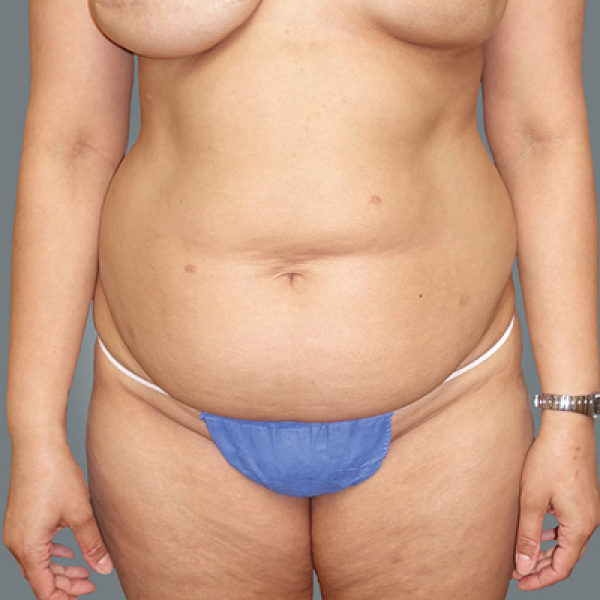
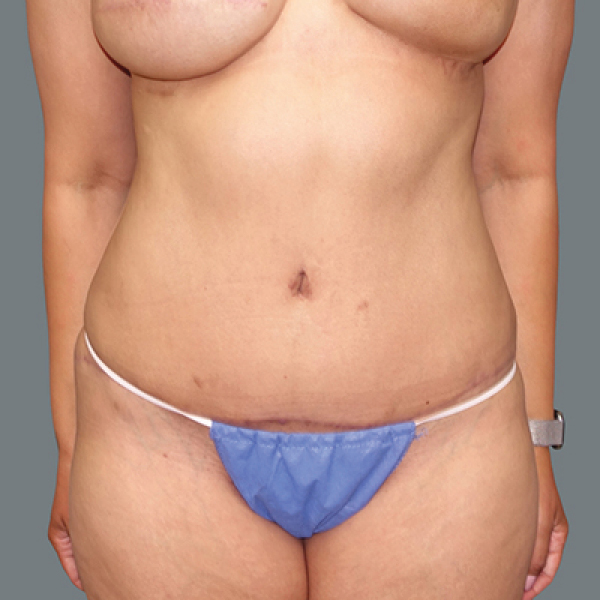
Abdominoplasty Before and After Photos

The Abdominoplasty Before & After Gallery shows examples of patients treated by Dr. Ho. Individual results vary and photographs cannot predict what any one patient will achieve. When reviewing cases, it is most useful to compare patients with similar starting anatomy and to note whether muscle repair or additional liposuction was performed.

Frequently Asked Questions About Abdominoplasty

No. Liposuction removes localized fat. Abdominoplasty removes excess abdominal skin and can repair abdominal wall laxity or rectus diastasis when needed. The procedures can be combined when both problems are present.

No. Muscle or fascial plication is performed when the abdominal wall is stretched or separated and the repair is appropriate for that patient. The need for repair is assessed during consultation and confirmed during surgical planning.

Only stretch marks located within skin that is removed are removed with the operation. Stretch marks on skin that remains will still be present, although their position may change when the skin is redraped.

A future pregnancy is possible, but pregnancy can stretch the skin and abdominal wall again and may alter the result. For that reason, abdominoplasty is usually planned after a patient has completed pregnancy when possible.

Drains are often used after Dr. Ho’s full abdominoplasty procedures, but the exact plan depends on the operation. If drains are placed, you will receive instructions on how to care for them and they are removed in the office when appropriate.

Sometimes. Abdominoplasty may be combined with breast surgery or liposuction in appropriately selected patients. Combining procedures increases the scope of surgery, so the decision is based on overall health, operative time, recovery considerations and Dr. Ho’s assessment of safety.

Considering Abdominoplasty in Vancouver?

A consultation is an opportunity to determine whether the main issue is loose skin, abdominal wall laxity, localized fat or a combination of these concerns. Dr. Ho can assess your abdomen, explain the expected scars and recovery, and discuss whether full abdominoplasty, mini abdominoplasty, liposuction or a combined approach is most appropriate for you.

Prefer to contact us directly?
604-806-3650 | info@dradelynho.com

Medically reviewed by Dr. Adelyn Ho, MD, MPH, FRCSC | Plastic and Reconstructive Surgeon | Last reviewed: August 2026