
Breast reduction surgery removes breast tissue, fat, and skin to make the breasts smaller and lighter while also reshaping and lifting them. It may be considered when breast size causes physical symptoms, limits activity, makes clothing difficult to fit, or simply feels out of proportion with the rest of your body. The amount of reduction and the final breast shape are individualized. During consultation, I assess your breast size, skin quality, nipple and areola position, asymmetry, symptoms, and goals to decide how much tissue can reasonably be removed and which scar pattern is most appropriate. An exact postoperative cup size cannot be guaranteed.
BREAST PROCEDURES
Breast Reduction in Vancouver
Breast Reduction at a Glance
| Anesthesia | Generally performed under general anesthesia. |
| Setting | Outpatient surgical facility; most patients go home the same day with a responsible adult. |
| Early recovery | Swelling, bruising, tightness and soreness are expected early and improve gradually. |
| Work / major social commitments | About two weeks is a safer planning window for many patients, depending on the physical demands of work and individual recovery. |
| Exercise | Heavy lifting and strenuous exercise are generally avoided for about four weeks or until cleared by Dr. Ho. |
| Scars | Usually a lollipop/vertical pattern or an anchor/Wise pattern, depending on anatomy and the amount of reduction required. |
| Coverage | Some medically necessary breast reductions may be covered through MSP; cosmetic breast reduction is arranged privately. Eligibility depends on current provincial criteria. |
What Does Breast Reduction Change?
A breast reduction is more than removal of breast volume. Excess breast tissue and skin are removed, and the remaining breast tissue is reshaped. The nipple and areola are repositioned as needed so they sit appropriately on the smaller breast. The operation can reduce breast weight, improve proportion, and address differences in size between the two breasts. It may also improve symptoms associated with heavy breasts, although the degree of symptom improvement varies from person to person. If your main concern is sagging but you are comfortable with your current breast size, a breast lift may be the more appropriate operation. If your main concern is excess breast size or weight, breast reduction is usually the more relevant procedure.
When Is Breast Reduction a Good Option?
Breast reduction may be worth considering when breast size is affecting comfort, activity, clothing, or how you feel about your proportions. Common concerns include:
- Breasts that feel too large or heavy for your frame.
- Neck, upper-back, or shoulder discomfort that may be related to breast weight.
- Deep shoulder grooves from bra straps.
- Skin irritation or moisture beneath the breast fold.
- Difficulty exercising or participating comfortably in physical activity.
- Difficulty finding bras, swimwear, or clothing that fit well.
- Asymmetry, where one breast is meaningfully larger than the other.
- A desire for a smaller breast size even when there are no major physical symptoms.
Good candidates are generally in good overall health, have realistic expectations, and do not use nicotine or can stop as directed around surgery. Significant planned weight loss or a near-future pregnancy can change the breasts, so timing may be worth discussing before surgery.
How I Plan a Breast Reduction
There is no single breast-reduction pattern that is right for every patient. I plan the operation around the amount of tissue that needs to be removed, how much loose skin is present, the starting breast shape, nipple position, asymmetry, and the size and shape you hope to achieve.
Breast size and amount of reduction
A modest reduction and a very large reduction create different technical demands. Removing more tissue can require greater skin tightening and a different scar pattern. I also consider the width of the breast and the amount of tissue that extends toward the lateral chest.
Skin quality and breast shape
Skin elasticity affects how much skin needs to be removed and how the breast is likely to settle after surgery. The operation is planned to create a smaller breast that remains proportionate to your chest rather than simply chasing a cup-size number.
Nipple and areola position
The nipple and areola are usually repositioned as the breast is reshaped. Their starting position, size, and symmetry are considered during the markings. If isolated areola size is the main concern rather than breast size, areola reduction may be a different procedure to discuss.
Asymmetry
Most breasts are naturally different from one another. A reduction can improve a meaningful size difference by removing different amounts from each side, but perfect symmetry cannot be guaranteed.
Does a Breast Reduction Also Lift the Breasts?
Yes, breast reduction includes lifting and reshaping. Removing breast tissue alone would not create an appropriate final shape, so the remaining tissue and skin are reshaped and the nipple is repositioned as needed. This is different from a breast lift performed on its own. A lift is primarily intended to improve breast position and shape while preserving more of the existing volume. A reduction is intended to make the breast smaller and lighter while also reshaping it.
Lollipop vs Anchor Breast Reduction
One of the most common questions about breast reduction is where the scars will be. The scar pattern depends on the amount of skin and breast tissue that needs to be removed and how much reshaping is required.
Vertical or “lollipop” breast reduction
A vertical breast reduction uses a scar around the areola with a vertical scar extending down to the breast crease. This creates the familiar lollipop pattern. It can be a good option when the breast can be reduced and reshaped without needing a longer scar along the breast fold.
Wise-pattern or “anchor” breast reduction
A Wise-pattern reduction includes the same scar around the areola and vertical scar, plus a scar along the breast crease. This anchor or inverted-T pattern provides additional ability to remove loose skin and reshape a larger or more droopy breast when a vertical pattern alone would not provide enough control. A shorter scar is not automatically a better operation. I choose the pattern that gives the best balance between the scar required and the amount of reduction and reshaping needed for your anatomy.
When Is Liposuction Used With Breast Reduction?
Some patients have fullness that extends from the outer breast toward the underarm or lateral chest. This area may contribute to a “bra bulge” even after the central breast has been reduced. Liposuction can sometimes be added to contour this area without extending the breast-reduction scar farther toward the side of the chest. Liposuction is an adjunct, not a substitute for breast reduction, when the main issue is excess breast tissue, skin, or significant breast weight. Whether it adds value depends on where the fullness is located and how much of it is fat versus breast tissue.
What Do Breast Reduction Scars Look Like?
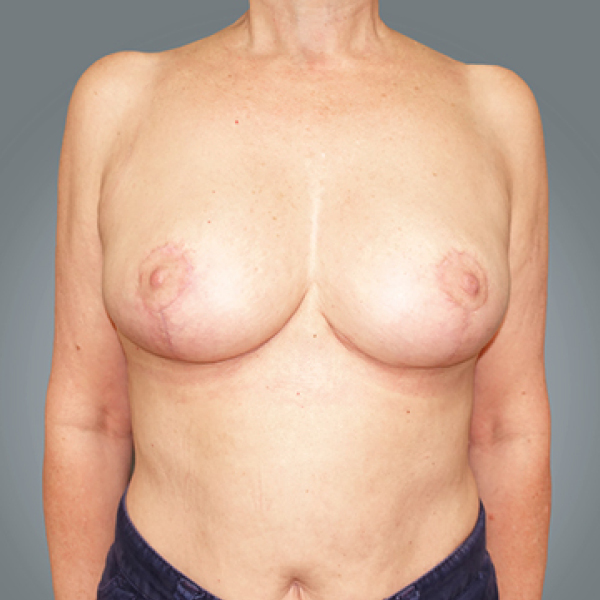
All breast reduction operations create permanent scars. With a lollipop pattern, the scar runs around the areola and vertically to the breast crease. With an anchor pattern, there is an additional scar along the breast fold. Early scars are usually pinker, firmer, or more noticeable than mature scars. They continue to change over many months and commonly fade over the first year. Scar quality varies with genetics, skin type, tension, wound healing, and postoperative care. I review scar care during follow-up and tailor recommendations to how your incisions are healing.
What Happens on the Day of Surgery?
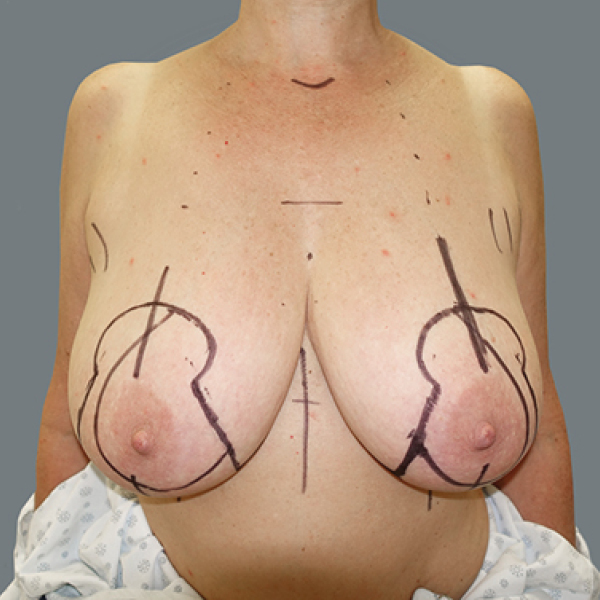
Before surgery, I mark the breasts while you are standing. These markings guide the amount of skin and tissue removal, the planned nipple position, and the areas where the two sides need to be treated differently. Breast reduction is performed under general anesthesia at an outpatient surgical facility. After surgery, you are monitored in recovery and can usually go home the same day once you are stable. You will need a responsible adult to take you home and stay with you for the first 24 hours. A postoperative surgical bra is used to support the breasts during early healing. If drains are used for your operation, you will receive specific instructions for their care and removal during follow-up.
What Is Recovery Like After Breast Reduction?
Swelling, bruising, tightness, tenderness, and temporary changes in sensation are common early after breast reduction. The first week is usually the most limiting, and swelling begins to settle gradually rather than disappearing all at once.
Work and day-to-day activity
For work or major social commitments, about two weeks is a safer planning window for many patients. A desk-based job may be easier to return to than a job that involves lifting, repetitive upper-body activity, or long shifts. Your own recovery and work demands should guide the timing.
Exercise and lifting
Heavy lifting and strenuous exercise are generally avoided for about four weeks and resumed gradually when the incisions are healing well and you have been cleared to progress. Walking is encouraged early, but activities that create breast movement, strain the incisions, or require heavy upper-body effort need more time.
Shape and scar settling
The breasts often look high, firm, swollen, or slightly different from one another early in recovery. Shape continues to settle over the first few months. Scars mature more slowly and continue to change over the first year and sometimes longer. Your postoperative instructions and follow-up plan take priority over any general recovery timeline.
Is Breast Reduction Covered by MSP in BC?
Breast reduction may be covered through British Columbia’s Medical Services Plan when it is considered medically necessary and meets current provincial criteria. Breast size or sagging alone is not enough to establish coverage. Symptoms such as persistent neck or back discomfort, shoulder grooving, or significant skin irritation may be relevant to the assessment. If you are seeking an MSP-covered reduction, please submit a referral through your primary physician. Cosmetic breast reduction performed primarily to enhance breast size or appearance is not covered and can be arranged privately. The public and private pathways are different, and provincial criteria and administrative requirements can change.
Risks and Tradeoffs
Breast reduction can meaningfully improve breast size and weight, but it is still major surgery and involves permanent scars and potential complications. Risks include bleeding or hematoma, seroma, infection, delayed wound healing, poor or widened scarring, asymmetry, changes in nipple or breast sensation, problems with nipple-areola blood supply, anesthesia-related complications, and the possibility of revision surgery.
Future pregnancy, weight change, aging, and ongoing tissue stretching can change breast size and shape after surgery. Breastfeeding may still be possible after a reduction, but milk production can be reduced and future breastfeeding cannot be guaranteed. If breastfeeding is an important future goal, tell me during consultation so it can be included in the discussion about timing and surgical tradeoffs.
Breast Reduction Before & After Photos
Before-and-after photographs are useful for understanding the range of breast sizes, asymmetry, scar patterns, and stages of healing that can occur after breast reduction. They cannot predict an individual result, but they can help you see how surgical planning changes with anatomy.
Breast Reduction With Dr. Adelyn Ho
I am a Royal College-certified plastic surgeon with additional fellowship training in microsurgery and a focused interest in breast reconstruction and cosmetic breast surgery. My approach to breast reduction is individualized: the amount of reduction, scar pattern, nipple position, asymmetry correction, and use of liposuction are planned around your anatomy rather than a standard template. My goal during consultation is to give you a clear understanding of what can reasonably be changed, where the scars will be, what recovery requires, and which tradeoffs matter most for your priorities.
Breast Reduction FAQs
What is the difference between a breast reduction and a breast lift?
A breast reduction makes the breasts smaller and lighter while also reshaping and elevating them. A breast lift primarily changes breast position and shape while preserving more of the existing volume.
Will I have a lollipop scar or an anchor scar?
The scar pattern depends on your breast size, skin excess, degree of droop, and the amount of reduction required. A lollipop pattern avoids the longer scar in the breast fold, while an anchor pattern provides more skin-removal and reshaping capacity when it is needed.
Can you guarantee my cup size after breast reduction?
No. Bra sizing is inconsistent between manufacturers, and breast shape and swelling change during healing. We can plan toward a smaller range and proportion, but an exact cup size cannot be guaranteed.
Does every breast reduction need liposuction?
No. Liposuction is most useful when fatty fullness extends toward the lateral breast, underarm, or chest wall. It is added only when it improves the overall contour.
How much time should I take off work?
About two weeks is a safer planning window for many patients, but the answer depends on your job, the extent of surgery, and your recovery. Physically demanding work generally requires more time.
How long do breast reduction scars take to fade?
Scars are usually most noticeable early and continue to mature over many months. They commonly fade over the first year, but final scar quality varies between patients.
Can breast reduction affect nipple sensation?
Yes. Temporary numbness or increased sensitivity can occur, and permanent changes in sensation are possible.
Can I breastfeed after breast reduction?
Breastfeeding may still be possible, but milk production can be reduced and future breastfeeding cannot be guaranteed. If this is important to you, discuss it before surgery.
Is breast reduction covered by MSP in BC?
Some medically necessary breast reductions may be covered when current provincial criteria are met. Breast size or sagging alone does not establish coverage. Cosmetic breast reduction is arranged privately.
How much does private breast reduction cost in Vancouver?
The fee depends on the surgical plan, including the extent of reduction, whether liposuction is added, and facility/anesthesia requirements. A personalized quote is provided after consultation. Financing information can be reviewed separately if desired.
Considering A Breast Reduction?
If your breasts feel too large, heavy, uncomfortable, or out of proportion, consultation is an opportunity to discuss what you want to change and what would be required to achieve it. I will review your anatomy, the amount of reduction that may be realistic, the likely scar pattern, whether liposuction would add value, and what recovery would involve before you decide whether surgery is right for you.
Prefer to contact us directly?
604-806-3650 | info@dradelynho.com
Medically reviewed by Dr. Adelyn Ho, MD, MPH, FRCSC | Plastic and Reconstructive Surgeon | Last reviewed: August 2026
